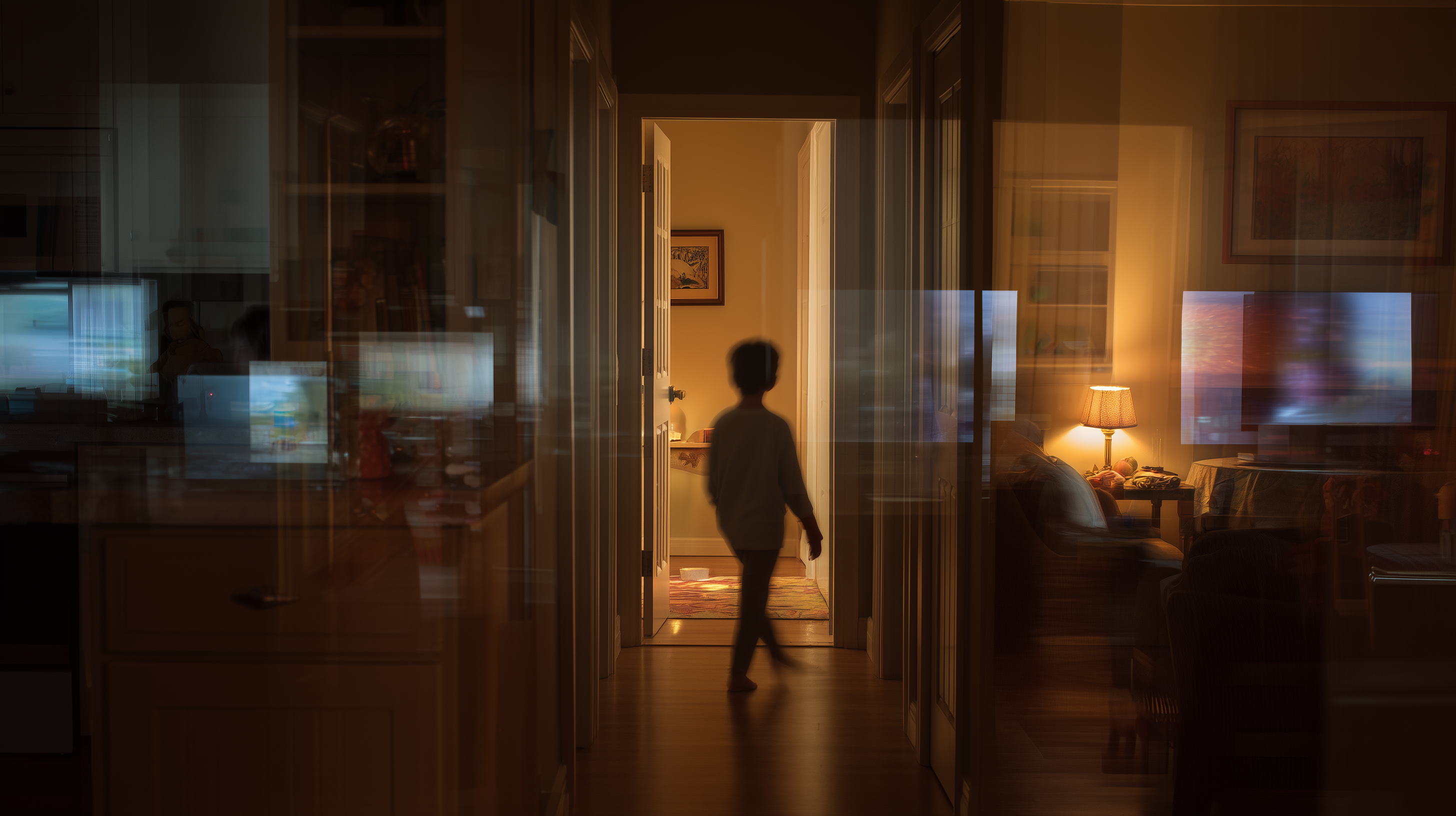
When Digital Media Follows Children Everywhere
From a place to a presence
Digital media used to live in specific places. A TV in the living room. A computer on a desk. Today, media often travels with children all day. Phones and tablets are close by from the moment they wake up until they fall asleep. According to the 2024 report from the Public Health Agency of Sweden, this constant availability changes how media fits into daily life. Media is no longer something children step into and out of. It becomes part of everything else.
Life without clear pauses
When media is always nearby, natural breaks become harder to find. There is no clear start or finish. Scrolling slips into short moments between activities, during meals, or late in the evening. Many children and teenagers say this makes it harder to stop. Even when they want to rest or sleep, digital media keeps pulling attention back.
Evenings that never fully end
The report shows that night-time phone use increases with age. When a device is always within reach, checking messages or feeds can easily stretch into the night. This reduces recovery time. Over days and weeks, tiredness builds up and affects focus, mood and energy during the day.
Social contact without distance
Online communication helps children stay connected, but it also means that social demands can follow them everywhere. Messages, comparisons or conflicts do not stop when the school day ends. Without moments of distance, it becomes harder to mentally switch off.
Finding space again
This does not mean digital media should be removed. It means children benefit from moments when media is not present. Clear device-free times and places help bring back pauses, rest and attention. When digital media has boundaries, it becomes easier for children to manage it rather than feel managed by it.