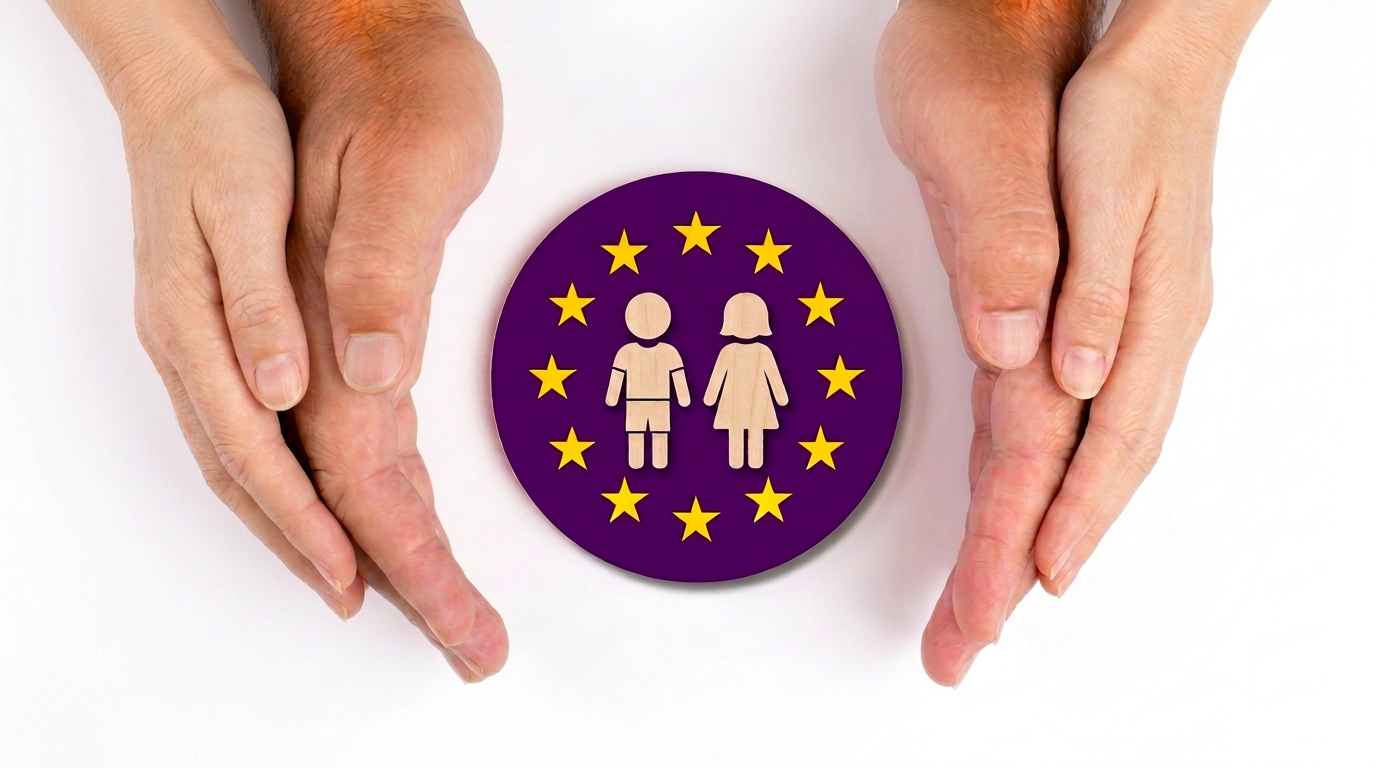
Europe Is Raising the Bar for Children’s Online Safety
From National Debates to European Action
Over the past year, the conversation about children’s online safety has changed significantly across Europe. What started as national discussions is gradually becoming a wider European debate, with governments and EU institutions exploring whether stronger safeguards are needed for children using digital services. Much of the attention has focused on social media. Several countries have proposed or introduced minimum age requirements, while the European Commission is examining common approaches to age verification and child protection. The aim is not to prevent young people from using technology altogether, but to create digital environments that are safer and more appropriate for their age. Exactly where these rules will lead is still uncertain. What is clear, however, is that children’s digital wellbeing has become a priority not only for parents and schools, but also for policymakers.
Gaming Is Part of the Conversation Too
Although the current proposals mainly target social media, the wider discussion naturally extends to gaming. Modern games are no longer isolated experiences. Many include chat, voice communication, online communities and social features that allow children to interact with friends and other players around the world. At the same time, gaming offers something that social media often does not: creativity, teamwork, problem-solving and shared experiences. This is why it is important not to treat all digital activities in the same way. Gaming and social media have different purposes, different benefits and different challenges. Both deserve thoughtful discussion rather than broad assumptions.
Beyond Regulation
New legislation can help establish common standards and encourage platforms to design safer digital experiences. It can also give parents greater confidence that children’s interests are being taken seriously. But regulation alone cannot create healthy digital habits. Families will still face everyday questions about routines, transitions, bedtime and balancing digital activities with school, sport and time together. Those challenges cannot be solved by age verification or legal requirements alone. They require communication, consistency and practical tools that fit naturally into family life.
A Shared Goal
The growing political focus on children’s online safety shows that digital wellbeing is no longer just a family discussion. It has become a societal priority. At Game Limiter, we believe gaming should be part of that conversation too. While social media and gaming are different experiences, they increasingly share common digital spaces and many of the same questions about healthy use. Our goal has always been to support balanced gaming habits without treating games as the problem. We believe children benefit most when digital experiences are designed to work with family life rather than against it. Europe’s latest initiatives show that this conversation is only becoming more important, and we welcome the opportunity to help shape it.