The Next Generation Will Grow Up Inside Games – Are We Ready for That Responsibility?
Childhood Is Changing
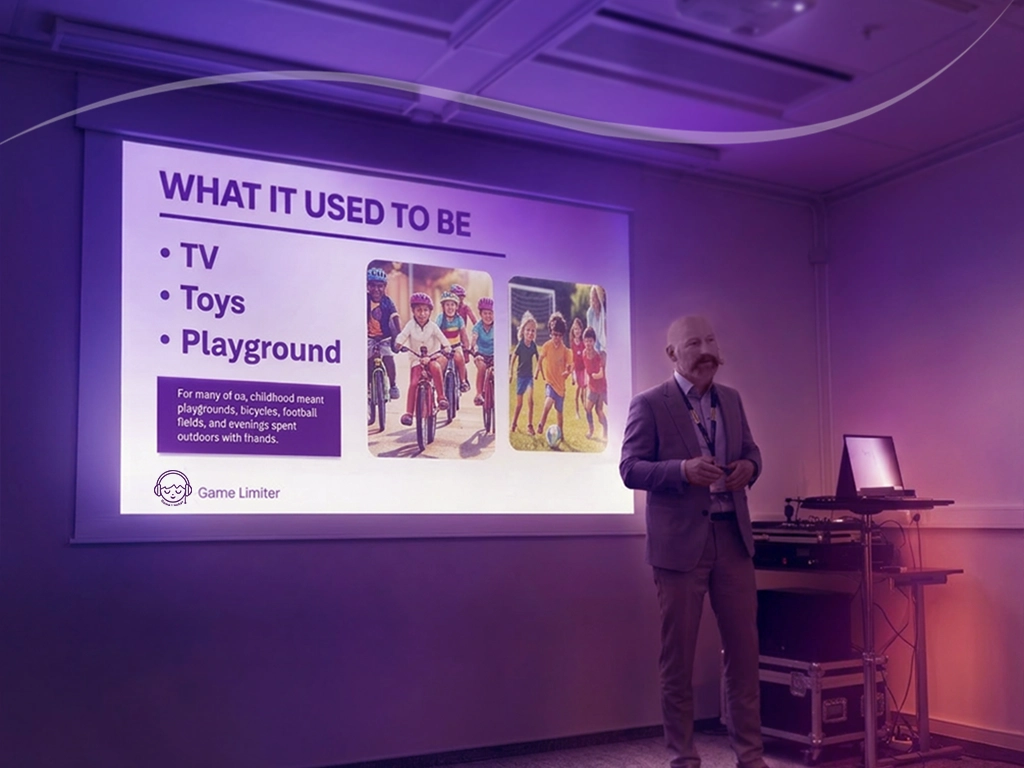
At Nordic Game 2026, our CEO Jonas Hedlin shared a thought that stayed with many people in the room:
The next generation will grow up inside games.
It is easy to underestimate how significant this shift is. For many adults today, games were part of childhood, but rarely at its centre. Childhood was shaped by school, sports, television, outdoor play and time spent with friends. Games were one activity among many. For today's children, the picture is different. Games are not just something they play. They are places where they spend time with friends, learn new skills, solve problems, compete, collaborate and express themselves. In many ways, gaming has become a natural part of growing up. This is not a criticism of gaming. It is simply a recognition of how much the world has changed.
Games Are Becoming Part of Everyday Life
As games have become more connected, social and accessible, they have moved beyond entertainment alone. A child can spend an afternoon playing with friends who live in another city, join a community around a shared interest, or learn teamwork through a game long before entering a traditional workplace. For the gaming industry, this creates a remarkable opportunity. Few industries have such a direct influence on how young people spend their time, build relationships and develop habits. That influence is one of the reasons gaming has become part of a wider conversation among parents, educators, researchers and policymakers. Questions about digital wellbeing, balance and healthy routines are becoming more common, not because people are rejecting games, but because games have become so important.
What Families Are Looking For
One message comes up repeatedly when talking to parents: most are not trying to remove gaming from their children's lives. They understand why children enjoy games. Many play games themselves. What they often struggle with is not gaming, but the practical challenges that come with it. How does gaming fit alongside school, sleep, sports and family life? How do you create routines that feel fair and predictable? How do you reduce the daily negotiations that happen in so many households? These are not questions that can be solved by parents alone. They are part of a broader discussion about how digital experiences fit into everyday life.
A Conversation Worth Having
At Nordic Game, Jonas challenged the audience to think about gaming from this wider perspective. If games are becoming one of the environments where children grow up, then the industry has an opportunity to help shape that experience in a positive way. Supporting balanced play and healthier routines does not mean making games less enjoyable. It means recognising the role games now play in people's lives and responding to that reality thoughtfully. The discussion is no longer about whether games matter. They do. The more interesting question is what kind of gaming environment we want future generations to grow up in. As Jonas concluded during his presentation:
The next generation will grow up inside games. The question is whether we build that world with them in mind. At Game Limiter, we believe that is a conversation worth continuing.